Mini Skid Steer Specs: Complete Guide to Size, Power, Capacity & Performance
If you’re comparing mini skid steer specs, you already know the spec sheets can be a little overwhelming. Operating weight, rated operating capacity, horsepower, hydraulic flow, lift height — every manufacturer lists these numbers slightly differently, and it’s easy to get lost trying to figure out which ones actually matter for the job in front of you. The truth is, no single spec tells the whole story. A machine with the highest horsepower isn’t necessarily the most productive one, and the heaviest machine isn’t automatically the most stable one for your site.
This guide breaks down every major mini skid steer specification in plain language — what it measures, why it matters, and how it plays with the other numbers around it. Whether you’re grading a backyard, trenching for irrigation, or handling pallets on a tight jobsite, understanding these specs will help you compare machines based on what you’re actually going to do with them, not just which one looks most impressive on paper.
What Are the Most Important Mini Skid Steer Specs?
If you only have a few minutes to compare machines, focus on these:
- Operating weight — affects stability, ground pressure, and how you’ll transport it
- Rated operating capacity — how much the machine can safely lift and carry
- Horsepower — engine output that drives both hydraulics and travel
- Hydraulic flow — determines which attachments will actually work well
- Hydraulic pressure — works alongside flow to power attachments
- Machine width — whether it fits through gates and tight access points
- Machine height — clearance under garage doors, branches, and structures
- Lift height — how high you can raise material or a load
- Reach — how far forward the machine can place a load
- Ground clearance — performance on rough or uneven terrain
- Travel speed — how quickly the machine moves around a site
- Attachment compatibility — whether the tools you need will bolt on and function
Each of these interacts with the others. A machine can look great in one category and fall short in another, which is exactly why side-by-side comparisons matter more than chasing a single big number.
Mini Skid Steer Operating Weight
Operating weight is the total weight of the machine in ready-to-work condition, usually including a full fuel tank, hydraulic fluid, and the operator (or rated payload, on stand-on models). It’s one of the first numbers buyers look at, and for good reason — it touches almost everything else about how the machine performs.
Heavier machines generally offer more stability and can handle heavier attachments without tipping issues, but they also come with tradeoffs. A heavier mini skid steer puts more pressure on soft or finished lawns, may require a larger trailer to transport, and can be harder to maneuver through tight residential access points. A lighter machine is easier to move and gentler on turf, but it may have a lower rated operating capacity as a result.
Before comparing weight figures across brands, check exactly what the manufacturer includes in that number. Some list base machine weight without attachments, while others include a standard bucket. That difference can shift the comparison more than people expect.
Mini Skid Steer Rated Operating Capacity
Rated Operating Capacity (ROC) is the amount of material or load the machine is rated to lift and carry safely under normal operating conditions. Most manufacturers calculate ROC as a percentage of the machine’s tipping load — commonly 50%, though this varies by brand and machine class.
ROC is not the same thing as tipping load, and it’s not the same as the machine’s maximum physical lifting ability. Tipping load is the point at which the machine would begin to tip forward; ROC builds in a safety margin below that so the machine remains stable during normal use. Confusing the two is one of the most common mistakes buyers make when comparing spec sheets.
ROC matters most for material handling, palletized loads, and bucket work where you’re regularly near the machine’s limit. Always follow the manufacturer’s load charts and operating instructions rather than estimating capacity based on appearance or a general sense of “how big” a machine looks.
Mini Skid Steer Horsepower
Horsepower describes how much power the engine produces, and it influences hydraulic performance, travel speed, and how the machine handles demanding attachments. It’s an important number, but it shouldn’t be evaluated in isolation.
A high-horsepower engine paired with a hydraulic pump that can’t move much fluid won’t necessarily outperform a lower-horsepower machine with a well-matched hydraulic system. What matters is how horsepower, hydraulic flow, hydraulic pressure, and machine weight work together. Two machines with identical horsepower ratings can feel completely different in real-world use depending on how that power is distributed to the pump, the drive system, and the attachment circuit.
When comparing horsepower across models, look at it alongside the hydraulic specs and the attachments you plan to run. A brush cutter or auger with specific flow requirements cares more about GPM than it does about raw engine horsepower.
Mini Skid Steer Hydraulic Flow and Pressure
This is where a lot of buying decisions actually get made, because hydraulic flow and pressure determine which attachments will run properly.
Hydraulic Flow
Hydraulic flow is measured in gallons per minute (GPM) and describes how much hydraulic fluid the pump delivers to an attachment. Flow is what makes attachments spin, cut, dig, or sweep — the higher the flow, the faster or more powerfully a hydraulically driven attachment can typically operate, assuming the attachment is designed to use it.
Hydraulic Pressure
Hydraulic pressure, usually measured in PSI, works alongside flow to determine an attachment’s overall power. Pressure is what allows an attachment like a hydraulic breaker or a grapple to generate force, while flow determines the speed of operation.
Attachments like augers, trenchers, brush cutters, hydraulic breakers, grapple buckets, sweepers, compactors, and snow blowers all have specific GPM and PSI requirements set by their manufacturer. Running an attachment below its required flow can leave it underpowered; running one above its rated flow can cause premature wear or damage.
Many mini skid steers offer both standard flow and high-flow hydraulic options. High-flow systems deliver more GPM and can unlock the full performance of flow-hungry attachments, but high-flow hydraulics aren’t automatically the better choice for every buyer. If your attachment lineup doesn’t call for it, standard flow may be perfectly adequate and often comes at a lower cost. Always match the machine’s hydraulic output to the attachment manufacturer’s stated requirements rather than assuming more flow is always better.
Mini Skid Steer Dimensions
Physical dimensions determine where a machine can actually go and what it can get through — and on many residential and tight-access jobs, dimensions matter just as much as power specs.
Width
Machine width determines whether the unit can pass through side gates, fence openings, and narrow backyard access points. This is one of the first specs landscapers and property-service buyers check, since a machine that can’t reach the work area is no help regardless of its capacity.
Height
Overall height affects clearance under garage doors, carports, low structures, and tree branches. It also matters for trailer and transport clearance, particularly with enclosed trailers or low overpasses on a regular hauling route.
Length
Machine length influences how easily the unit maneuvers in confined spaces, how it stores on a trailer, and how much room it needs to reposition on a job site without repeated three-point turns.
Ground Clearance
Ground clearance is the distance between the machine’s underside and the ground. On uneven terrain, low ground clearance increases the risk of the undercarriage contacting rocks, roots, or ruts, which can slow work down or cause damage over time.
Mini Skid Steer Lift Height and Reach
Lift geometry covers several related specs: maximum lift height, hinge-pin height, forward reach, and dumping height. These numbers describe how high and how far forward a machine can place a load, and they vary noticeably between vertical-lift and radial-lift designs.
These specs matter directly when loading trucks, moving soil, placing landscape materials, handling pallets, or stacking material at height. A machine with a lower rated operating capacity but a taller lift path may still outperform a heavier machine for certain loading tasks, simply because of where it can place the load. Since lift geometry varies significantly between manufacturers and even between models from the same brand, it’s worth checking the actual lift-height and reach figures rather than assuming they scale directly with machine size.
Mini Skid Steer Travel Speed and Maneuverability
Travel speed gets attention on spec sheets, but it’s rarely the deciding factor in real-world productivity. Most mini skid steer work happens in short bursts across a confined site — trenching a section, repositioning for the next bucket load, backing up to reload — where turning ability and maneuverability matter more than top speed.
Stand-on mini skid steers have become popular in landscaping and property-maintenance work specifically because of their compact footprint and the operator’s clear line of sight. In tight backyards or around obstacles, that visibility and maneuverability often contributes more to daily productivity than a faster top travel speed would.
Mini Skid Steer Attachment Compatibility
The attachment system is arguably as important as the machine itself, because a mini skid steer’s usefulness expands or shrinks based on what it can run. Some machines use a universal attachment plate that accepts a wide range of third-party tools, while others rely on proprietary mounting systems tied to the manufacturer’s own attachment line.
Beyond the mechanical mount, attachment compatibility comes down to hydraulic connections, auxiliary flow, and hydraulic pressure — an attachment might fit physically but underperform if the machine can’t supply the flow it needs. Attachment weight and width also factor into the machine’s rated operating capacity and overall balance.
Popular mini skid steer attachments include buckets, pallet forks, augers, trenchers, grapples, brush cutters, breakers, soil conditioners, levelers, stump grinders, and post drivers. Before buying a machine, check the hydraulic and mounting requirements for the specific attachments you plan to run, rather than assuming compatibility across brands.
Mini Skid Steer Specs by Application
Specification priorities shift depending on the type of work. Here’s a general breakdown of what tends to matter most by application:
| Application | Important Specs |
|---|---|
| Landscaping | Width, weight, hydraulics |
| Trenching | Hydraulic flow, reach, stability |
| Grading | Attachment compatibility, lift geometry |
| Material Handling | ROC, lift height, stability |
| Tree Work | Hydraulic capability, attachments |
| Farming | ROC, hydraulics, attachments |
| Construction | ROC, horsepower, hydraulics |
| Snow Removal | Hydraulic flow, attachment compatibility |
A machine that’s ideal for tight-access landscaping work may not be the right choice for heavier material handling, and vice versa. Matching the spec priorities to your actual job list is more useful than chasing the “best” all-around machine.
Mini Skid Steer Specs Comparison Table
Use a framework like this to compare specific models side by side, pulling figures directly from each manufacturer’s official specification sheet:
| Specification | Machine A | Machine B | Why It Matters |
|---|---|---|---|
| Operating Weight | — | — | Transport/stability |
| Rated Operating Capacity | — | — | Load handling |
| Horsepower | — | — | Engine performance |
| Hydraulic Flow | — | — | Attachment compatibility |
| Hydraulic Pressure | — | — | Hydraulic performance |
| Width | — | — | Access |
| Height | — | — | Clearance |
| Lift Height | — | — | Material placement |
| Ground Clearance | — | — | Uneven terrain |
Fill this in with verified figures from official spec sheets rather than estimating — small differences in how manufacturers measure and report specs can make an apples-to-apples comparison misleading if you’re not working from the source documents.
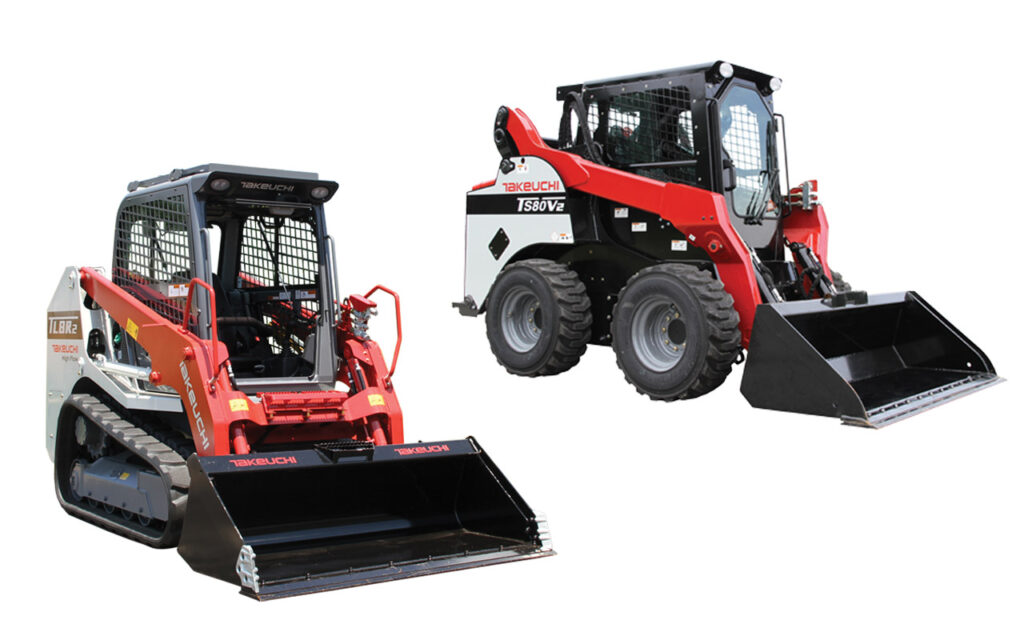
Mini Skid Steer vs Compact Track Loader
Mini skid steers and compact track loaders (CTLs) serve overlapping but distinct purposes. Mini skid steers are generally built for compact, maneuverable work — tight access, lighter ground disturbance, and operation in spaces a full-size machine simply can’t reach. Compact track loaders are larger machines designed for higher capacity, broader attachment ranges, and heavier-duty applications across bigger sites.
Compared side by side, CTLs typically offer greater operating weight, higher rated operating capacity, and a wider attachment lineup, while mini skid steers offer better access, easier transport, and often better operator visibility on tight sites. Neither machine is universally better — the right choice depends on your site access, the scale of your typical jobs, and how often you need to move between confined and open work areas.
What Mini Skid Steer Specs Matter Most for Landscaping?
For landscaping-focused buyers, spec priorities usually shift in this order:
- Machine width
- Operating weight
- Hydraulic flow
- Attachment compatibility
- Maneuverability
- Lift height
- Ground clearance
These priorities line up with common landscaping tasks — grading, trenching, planting, material movement, stump work, drainage, and brush clearing — where gate access and turf protection often matter more than raw lifting capacity. A machine that can’t get through the side gate isn’t useful no matter how capable it is once it’s on-site.
How to Compare Mini Skid Steer Specs Before Buying
Step 1: Define your primary jobs. List the tasks you’ll actually use the machine for most often.
Step 2: Measure site access. Check gate widths, garage clearances, and trailer routes before comparing machine dimensions.
Step 3: Determine required operating capacity. Base this on the loads and materials you regularly handle.
Step 4: Determine hydraulic requirements. Match flow and pressure to the attachments you plan to run.
Step 5: Choose attachments. Confirm mounting and hydraulic compatibility for each one.
Step 6: Check lift height and reach. Compare against your typical loading and placement needs.
Step 7: Check transportation requirements. Confirm trailer capacity and towing setup match the machine’s operating weight.
Step 8: Compare warranty and dealer support. Coverage terms and local service availability vary significantly by brand.
Step 9: Calculate total ownership cost. Factor in maintenance, parts availability, and fuel or service costs, not just the purchase price.
Step 10: Compare official specifications side by side. Pull figures from manufacturer spec sheets rather than marketing summaries.
Common Mistakes When Comparing Mini Skid Steer Specs
Choosing based only on horsepower. Horsepower means little without matching hydraulic flow and pressure — compare the full system, not one number.
Ignoring machine width. A powerful machine that can’t fit through your access points won’t get the job done.
Ignoring operating weight. Weight affects transport, ground pressure, and stability — check it alongside capacity, not separately.
Confusing ROC with tipping load. ROC includes a safety margin below tipping load; treating them as the same number is unsafe.
Ignoring hydraulic flow. An attachment that needs more GPM than the machine delivers won’t perform as intended.
Ignoring attachment requirements. Confirm hydraulic and mounting compatibility before assuming an attachment will work.
Comparing different machine configurations. Standard-flow and high-flow versions of the same model can have very different capabilities.
Ignoring transport requirements. Confirm your trailer and tow vehicle can handle the machine’s actual operating weight.
Focusing only on purchase price. Total ownership cost, including parts and service, often matters more over time.
Ignoring dealer and parts support. Local service availability affects downtime more than most buyers expect going in.
Frequently Asked Questions
What are the most important mini skid steer specs?
The most important mini skid steer specs are operating weight, rated operating capacity, horsepower, hydraulic flow, machine dimensions, lift height, and attachment compatibility. Which specs matter most depends on your application — landscaping work prioritizes width and hydraulics, while material handling prioritizes rated operating capacity and lift height.
What is the average weight of a mini skid steer?
Mini skid steer operating weight varies widely by model and manufacturer, so there isn’t one universal average. Typical specifications vary by model, so it’s best to check the manufacturer’s official spec sheet and confirm exactly what’s included in the listed weight, such as attachments or fuel.
How much horsepower does a mini skid steer have?
Horsepower varies by model and engine configuration, so typical specifications vary by manufacturer. Rather than comparing horsepower alone, look at how it’s paired with hydraulic flow and pressure, since those combined determine how the engine’s power actually translates into attachment performance.
What is rated operating capacity on a mini skid steer?
Rated operating capacity (ROC) is the amount of load a mini skid steer is rated to lift and carry safely, typically calculated as a percentage of its tipping load. It’s not the same as tipping load or maximum lifting ability, and buyers should always follow manufacturer load charts rather than estimating capacity visually.
How much hydraulic flow does a mini skid steer have?
Hydraulic flow, measured in gallons per minute (GPM), varies by model and whether the machine offers standard-flow or high-flow hydraulics. The right flow depends on the attachments you plan to run — check each attachment’s GPM requirement against the machine’s rated output before buying.
What size mini skid steer is best for landscaping?
For landscaping, a narrower machine with manageable operating weight, adequate hydraulic flow, and good maneuverability is usually prioritized over raw lifting capacity. Gate and fence access often determine the practical size limit before other specs come into play.
How wide is a mini skid steer?
Mini skid steer width varies by model, and typical specifications vary by manufacturer. Since width determines whether a machine fits through gates and fence openings, it’s worth measuring your access points before comparing specific width figures.
Can a mini skid steer use different attachments?
Yes, most mini skid steers support a range of attachments such as buckets, pallet forks, augers, trenchers, and grapples, though compatibility depends on the machine’s mounting system and hydraulic output. Always confirm hydraulic flow and pressure requirements against the attachment manufacturer’s specifications.
What is the difference between a mini skid steer and a compact track loader?
Mini skid steers are generally smaller, more maneuverable machines designed for tight-access work, while compact track loaders are larger, higher-capacity machines built for broader applications. Neither is universally better — the right choice depends on site access and the scale of typical jobs.
What should I compare before buying a mini skid steer?
Before buying, compare operating weight, rated operating capacity, horsepower, hydraulic flow and pressure, dimensions, lift height, attachment compatibility, and transport requirements. It also helps to factor in dealer support, warranty coverage, and total ownership cost rather than focusing on purchase price alone.